
Opening doors into secondary schools
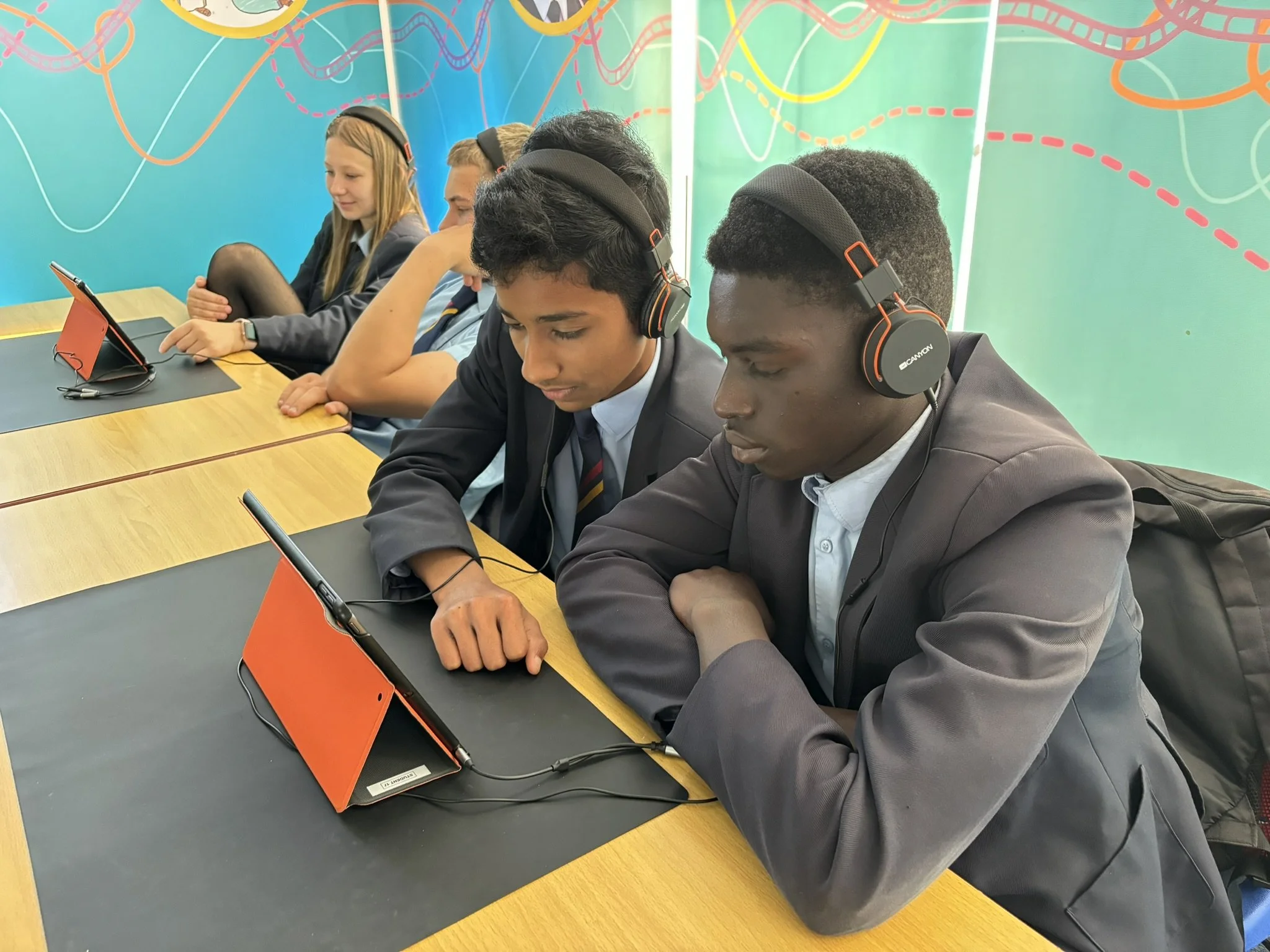
John Proctor is Director of Catalyst Youth Trust. He has worked with Counties for 26 years and uses GSUS Live to build relationships between churches, schools and communities across his region.
For John Sherwood, the measure of any resource is simple: does it open doors? After more than two decades of working to connect churches, schools and communities across his region, he has learned exactly which ones do.
John has worked with Counties for 26 years, a relationship stretching back to his earlier days in Plymouth, and then Shropshire. His work is built around a single aim: creating a more cohesive picture of Gospel-sharing among young people, by bringing together secondary schools, youth leaders, churches and community organisations. GSUS Live is one of the tools he uses most often. This spring, John hosted the programme across three schools from late February through to Easter, and this tour carried something new. Typically aimed at KS3 students, this particular run extended to Years 10 and 11, bringing GSUS Live into the world of older teenagers navigating GCSEs, identity, and the pressures of adolescence.
The format of GSUS Live sessions is simple: each one fits within a normal hour-long lesson. Students are introduced to three characters, Jack, Sophie and Ben, young people whose fictional struggles with fear, forgiveness and rejection mirror real ones. Working on an iPad programme, students follow one character’s story, offer advice, explore Bible passages, and engage in what amounts to a two-way dialogue with the material. The class then comes back together to reflect, and almost always, the conversation turns to faith.
“It’s always wildly positive, and I’ve been doing this a very long time,” says John. What makes it work so well, he believes, is authenticity and honesty. One session on this tour illustrated that perfectly: a volunteer quietly handling the tech at the back of the room waited until the end to speak. He told the students about his life before faith: as a self-described atheist, a soldier, someone who had encountered God in his deepest difficulty and found himself transformed. “These stories are captivating,” John reflects, “and it’s encouraging to volunteers too; you don’t have to be highly skilled. You just have to be honest.”
That honesty lands differently in a school than almost anywhere else. Young people, John observes, become accustomed to the voice of their teachers. An alternative, more informal voice, one that speaks openly about emotions, choices and personal struggles in ways a teacher professionally cannot, cuts through instead. “Authenticity matters so much to a generation that’s often numb to it,” he says. “People being honest, even about struggle, is such a huge encouragement. School is a wonderful machine, but it isn’t always a place where young people feel emotionally safe.”
One of John’s highlights from this tour wasn’t a standout moment in a classroom, but simply arriving at a school that had never had any direct Christian input before, and having GSUS Live, hosted by Catalyst Youth Trust, get them through the door. The conversations have continued since, opening doors for assemblies, mentoring and RE lessons. A relationship, and a Gospel opportunity, that didn’t exist in January was established by Easter.
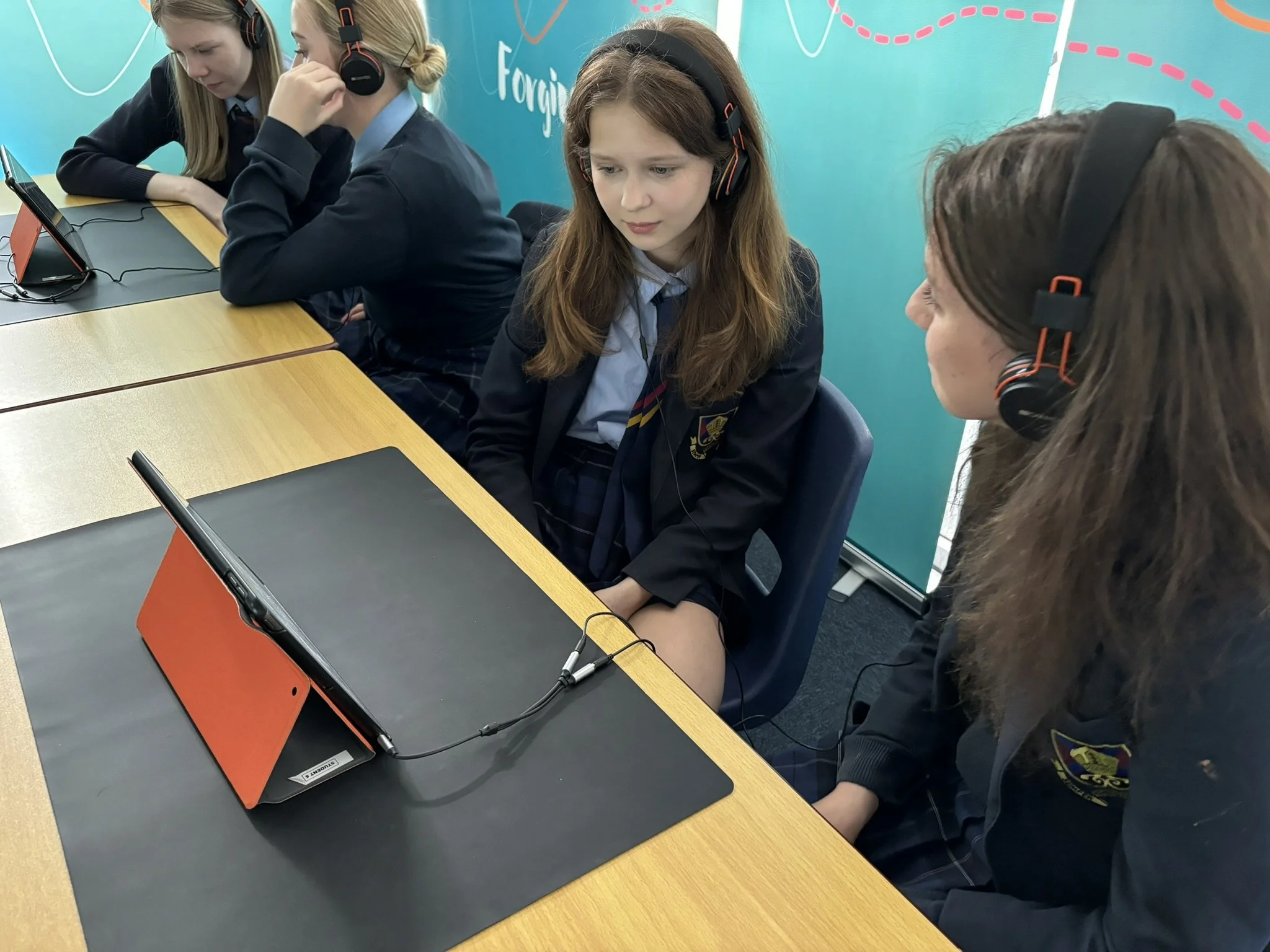
The feedback from one school this term captured it well. Writing to the Catalyst Youth Trust trustees, staff extended “heartfelt thanks” to the team, noting that students were “really engaged” and that the week had “added a new dimension to the school’s work and provided a new, contemporary way for students to understand religion.” What struck them most was how many students left asking deep theological questions.
For John, part of GSUS Live’s power lies in how well it fits the landscape schools are already navigating. Ofsted deepdive documents from 2021 and 2023 explicitly highlight the need for real lived experience and faith in RE classrooms, and the National Association of RE Teachers has made the same case publicly. Schools want to respond, but they want to do it with organisations they can trust. GSUS Live is free to schools, funded by local churches. It brings enrichment, real lived experience and a triedand-tested model under one roof. “For a school wanting to comply with that recommendation,” John says, “they want to do it with an established organisation that knows what it’s doing.”
There is one more thing John has recognised through his work with Catalyst Youth Trust and GSUS Live. A Christian of 38 years, and well versed in school and youth environments, he says the programme hasn’t necessarily shaped his own faith further, but he has watched it do something remarkable in volunteers experiencing Gospel-sharing for the very first time. Standing up in a classroom and speaking honestly about what God has done in your life is, for many, the most vulnerable thing they will ever do, and John has seen it change lives.
“The key is that the volunteer did share their faith,” he says. “It’s scary for some, but school is a place where young people can be exposed to meaningful, real, lived-out faith, and that matters.”
GSUS Live helps secondary school students explore the themes of fear, forgiveness and rejection through Jesus’ teachings. It’s an interactive classroom experience for the statutory provision of RE at Key Stage 3, using Bible story animations, contemporary songs and short films. GSUS Live is available for churches and organisations to book for three or six weeks. To find out more, contact our GSUS Live coordinator, Dave Thomas: gsuslive@countiesuk.org or visit the link below: