
Peter’s resurrection
By Roger Chilvers
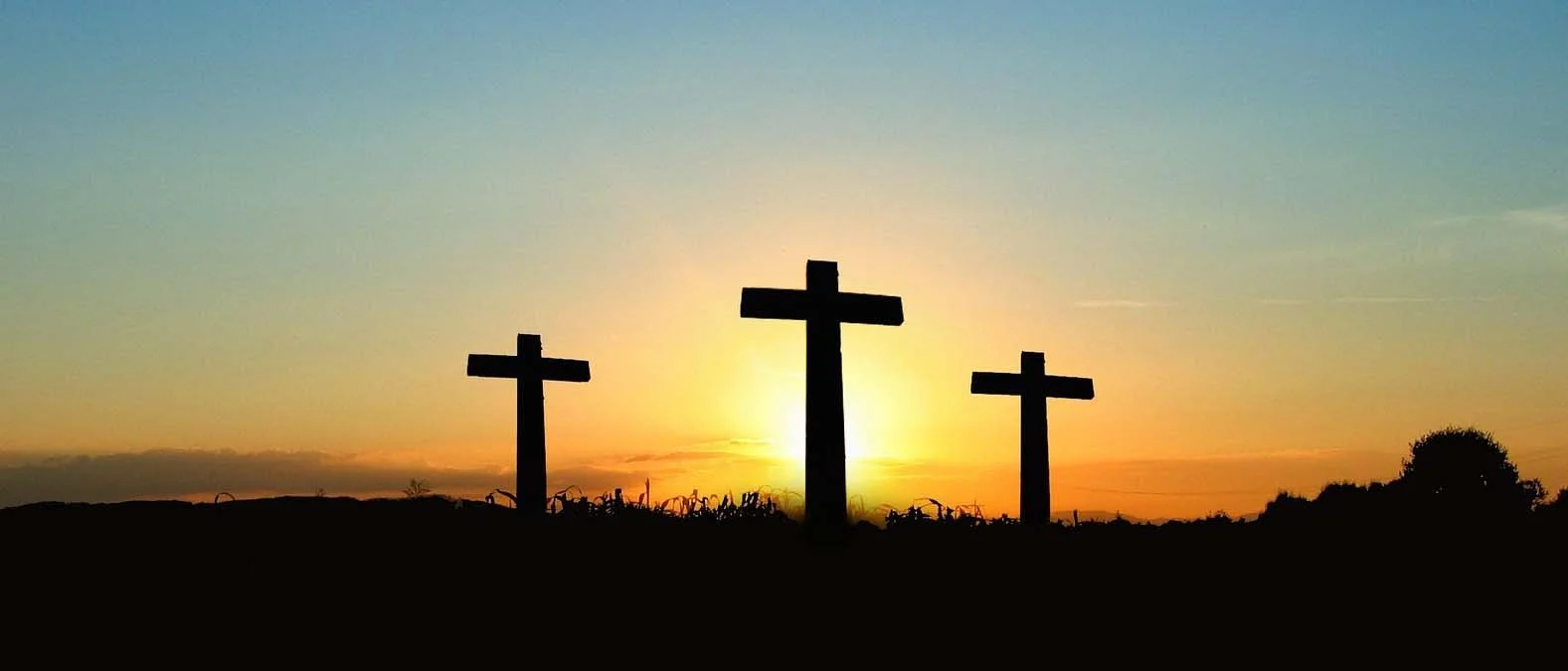
Easter changes everything! Whatever your mind can conceive: creation itself, personal life now, the future, relationships – everything is changed because of Easter. Nothing is the same! The event itself took place with a violent earthquake as heaven descended to announce the incredible news (Matthew 28:2) (How else could such an unbelievably amazing event be appropriately revealed?) And the aftershocks continue to be felt in every corner of the world we inhabit.
The focus of Easter is rightly on Jesus. He is what Easter is all about. The One, who was dead, is alive again. It is the pinnacle and heart of the Christian faith, and is, what many have referred to as, ‘the hinge of history’.
Whilst all this is true at a universal and cosmic level, for most people, Easter is experienced and known much more directly and personally than just an event to be historically observed or philosophically considered. Life, my life, is changed because of Easter.
Take the story of Peter who played a pivotal role as the incidents of those few days unfolded. For him, it was completely and shockingly transformative.
We often forget the privilege we have because we know how the Easter story unfolds and how all the incidents fit together, whereas those involved were unaware of the end from the beginning. They were just there! This is true of Peter.
The lead-up to the resurrection opens with an encounter with Jesus prompting a response from Peter which, no doubt, was largely understandable and unremarkable. As Jesus and His friends ate together, Jesus explained what was to happen in the next few days;
“You will all fall away”, He said. Peter’s reaction was, “Even if all fall away, I will not” (Mark 14:27, 29). Those there almost certainly thought his response was great, even praiseworthy, worth emulating, and a worthy example of loyalty to follow. It seems to me, that was exactly the intention of Peter’s words heard by the Twelve. In fact, when he underlined his boldness with, “If I must die with you, I will not deny you”, it encouraged all the others to add their voices of agreement and support. Verse 31 tells us, ‘… ‘and they all said the same’.
Yet, we know what Peter didn’t. This turns out to be just an opening encounter on which the events turned, even shaping what was to take place in the following few hours.
A short while later as a small crowd stood around the fire on the night of Jesus’ trial, they accused Peter of being one of His followers. His response, so familiar to us, was, “I do not know this man of whom you speak.” (Mark 14:71), repeated vehemently to the point where, ‘he began to invoke a curse on himself and to swear, “I do not know the man” (Matthew 26:74) Thus, the denial of Peter initiated by a servant girl’s accusation (Mark 14: 66) but picked up by others standing around, is seen as one of the great crimes in the trial and death of Jesus.
So, here are two completely understandable responses from that evening, and we may ask, in which is Peter most guilty? The first, though somewhat arrogant was well-meaning, applauded and imitated by others, and the other prompted by weakness and fear and the realisation of his inability to control events.
Most would argue that in the first, being personal, private and understandable, Peter was less culpable; he was well-intended and admired, whereas the second response was public, cowardly, repeated and had severe results as, ‘and they all left him and fled’ (Mark 14:50) and, therefore, is much worse.
But if we see it from God’s perspective, we may think differently. In the first incident Peter is in control, strong and arrogant, filled with self and pride. The second shows him weak to the extent that it broke him, ‘and the Lord turned and looked at Peter. And Peter remembered’ (Luke 22:61). He was crushed by it. In the first Peter was spiritually predominant. In the second, Peter spiritually died.
Although there were other followers of Jesus around the cross that night watching what took place, hearing what He said, and weeping, I suspect that Peter suffered more than all the others between the death and resurrection of Jesus. The last thing he knew as he watched Jesus being led to the cross was that look from His trial when Jesus looked at him. He simply could not get out of his mind that look in Jesus’ eyes. He knew Jesus knew and it broke him. It was too late to apologise and attempt reconciliation. The masterly, bold, outspoken Peter was finished. From a spiritual point of view, at that moment the arrogant Peter died. For him it was the end!
Yet, it was not the end. Within a few days the crucified Jesus, focus of mockery and ridicule, forsaken by all, even His heavenly Father, was raised in the ‘immeasurable greatness of His power.’ (Ephesians 1:19). The greatest event in history had taken place. Jesus was alive! Nothing in all of history or experience would ever be the same.
One of the most telling phrases in the story of Peter after the resurrection is, ‘He [Jesus] appeared to Cephas [Peter]’ (1 Corinthians 15:5). We are not told the details, but it appears to have been a private meeting before Jesus appeared to the other disciples. What did they talk about? What did Peter say? How did Jesus wrap His heart of love around Peter as they talked? We do not know, though we may guess at some things. But what we do know is that from that moment, life that had ceased for Peter, started again. The resurrection of Jesus at that moment became a reality for Peter at a deeply personal level. It was nothing short of the resurrection of Peter too! Having ‘died’, he writes later, ‘he has caused us to be born again to a living hope through the resurrection of Jesus Christ from the dead’ (1 Peter 1:3)
Peter, in that moment, discovered that what Jesus said about Himself soon after He entered Jerusalem on the way to the cross was to be worked out in all who would follow Him. Self must die if there is to be fruit. But for those who do die to self, the resurrection of Jesus is a magnificent, glorious reality. ‘Unless a grain of wheat falls into the earth and dies, it remains alone. But if it dies, it bears much fruit.’ (John 12:24)