
Church Growth at Dunvant Christian Fellowship
Phil Davies, Counties evangelist and the Pastor of Dunvant Christian Fellowship in Swansea, shares seven areas that have contributed to their growth, which began with one couple and now comprises a congregation of over 200.
Dunvant Christian Fellowship has just had its 110th anniversary. It began in 1915 when a married couple left their established church, seeking a place where people could gather to worship, study God’s Word, and break bread together in someone’s home. Phil describes it as “an original house fellowship.”
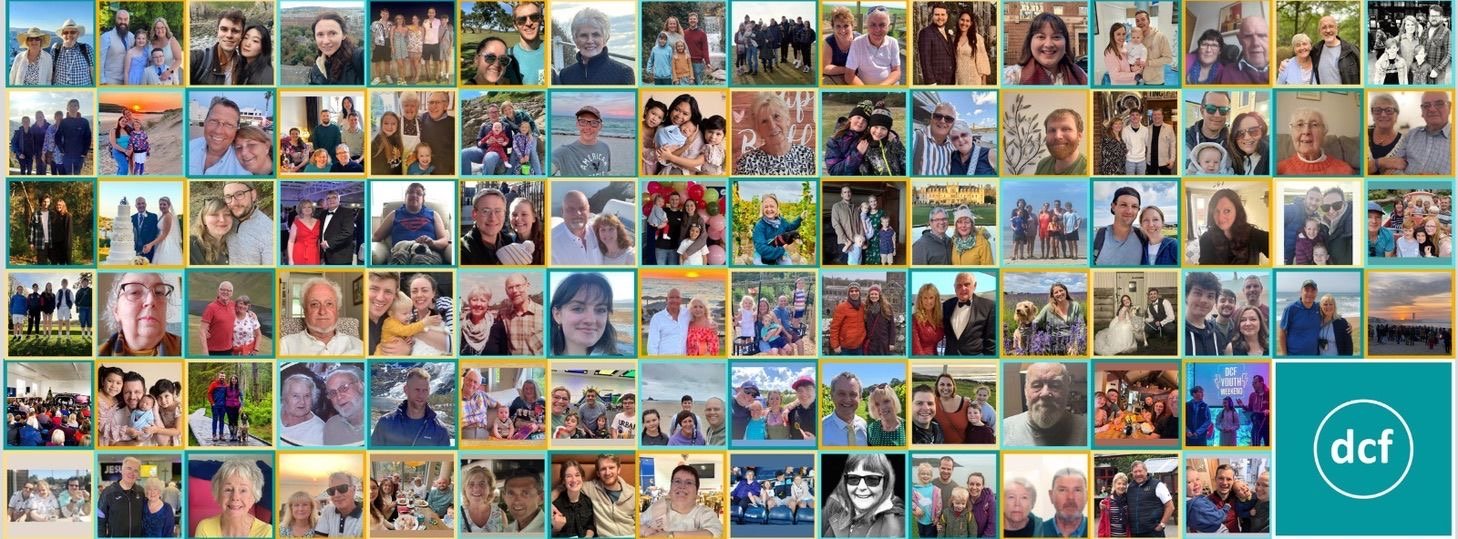
In 1928, as now part of the Brethren movement, Dunvant Gospel Hall was built. Phil says:
“For the first fifty years, the church was relatively small and solid, concentrating on scripture, prayer, and breaking bread together. They did some outreach, especially with children, but it wasn’t much.
“Today, we are a congregation of over 200, with about a third under the age of 25. There are many young couples and children. In the year of our 110th anniversary, as we look back at the church’s growth, this verse is close to my heart:
“Those who are wise will take all this to heart; they will see in our history the faithful love of the Lord.” Psalm 107:43 (NLT)
Dunvant Christian Fellowship Principles for Growth
From the 1960s onwards, we focused on youth and children’s work. Someone had a vision to buy a bus to bring young people to church. This work really took off in the 1980s, 65 years after our existence began.
We outgrew the Gospel Hall when we reached around 60 people, as we only had two rooms. So, we moved into the local school in 2005. It is a neutral territory, and it began to draw people in who would not usually ‘darken the doors’ of a regular church building.
We had a strong and committed core who gave themselves to prayer, giving, and serving.
I had been a Counties evangelist, supported financially by the church, but we didn’t have a fulltime worker or pastor. In 2015, we took on a full-time staff member to serve the church. We also realised we couldn’t run things with just volunteers. So today we have a staff team of three (and one part-time worker).
We use regular evangelistic courses, and Alpha is a key part of our outreach. Our vision as a church is expressed in three words: Deeper – in our faith and love for Christ; Closer – in our sense of fellowship and growing together; Wider – encompassing evangelism. We have also just run the Mark Drama (see below), which we ran over two nights, and we had 280 people in the audience.
The Lord has brought back ‘Prodigals’ to the Fellowship – people who had wandered in their faith, some for a significant amount of time, almost twenty years in the case of one person (read testimony overleaf).
Our Sunday gatherings are regular, consecutive, worshipful, and include the teaching of God’s Word. Our ‘serving together’ rosters include over 75 names of people who are serving regularly in the church. They all have a role, whether that’s serving tea and coffee or helping in the car park. It’s using the church regularly in service together.
Jon Parker is a lecturer at Gower College in Swansea. He took what he calls a ‘sabbatical’ from Dunvant Christian Fellowship (DCF) for nine years. But like the Prodigal son, a life filled with parties didn’t work, and finally he came ‘home’.
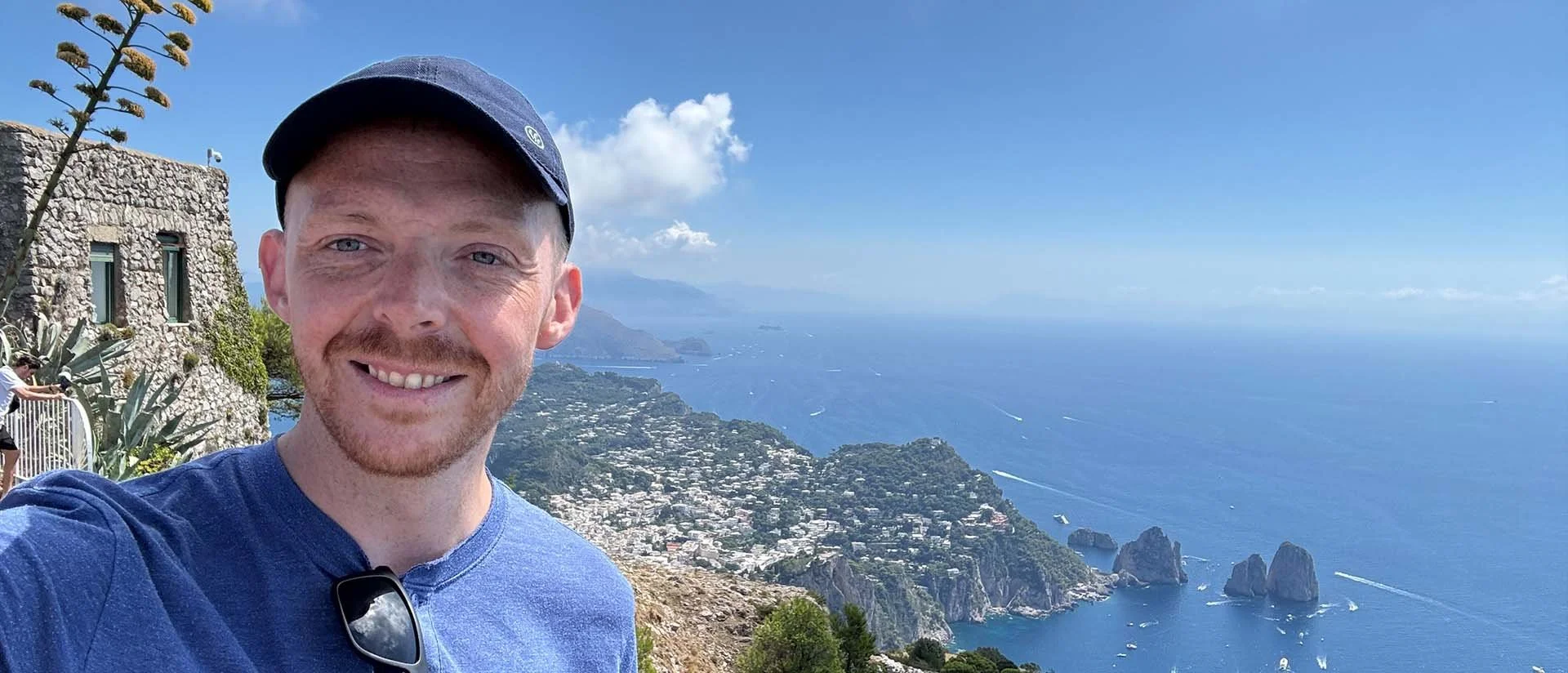
I started going to DCF when I was in primary school. I don’t come from a Christian home, but I got invited to the Junior Youth Group. I attended Sunday school and went to all the camps. I called myself a Christian and got baptised. However, I then attended university, marking the beginning of what I call my ‘sabbatical’. I was living in Cardiff and didn’t find a church where I could root myself. And then, I stopped attending church altogether.
During my university years, I didn’t drink. I was terrified of it, but after I left, I broke up with my long-term girlfriend, and I ended up living a very secular life where I was drinking, smoking, and partying, not living the best way. I spent the next five years ‘making up’ for the years I hadn’t partied at university.
Ironically, I had a heart problem, but that didn’t stop me. I lived for the weekend and went to work on a Monday. I genuinely thought I was happy. But there were periods where I would leave drunk, tearful messages on my parents’ phone apologising for who I had become. They even staged ‘interventions’ where we had some hard conversations, but I still didn’t see that there was anything wrong with what I was doing.
I had wanted to go back to Dunvant, though, and I knew they would be thrilled to see me, but I couldn’t face them whilst I stank of cigarettes and booze. The thought of it was too overwhelming. I think this will be familiar to lots of young people who’ve done the same thing.
When Covid hit, I had just bought my first place. So, it was a new start. Then the bars shut, and I was always a social drinker, so I didn’t drink at home. DCF started offering services online, and I began watching them. When Dunvant met occasionally at the beach, two metres apart, I would go along.
After I had been coming back to Dunvant for about two years, I persuaded my mum to join Hope Explored by Rico Tice. She had a fall a few years ago, due to a seizure, and she lost a lot of her memory and suffers from mental health issues.
So, I said to her: “Look, you are searching for some hope. You’re struggling with your mental health. Why don’t you just come along and see what you think?”
She didn’t expect to do more than one week, but she kept on, and she started coming to church. Within a year and three months, we had read through the entire Bible. She is now a Christian. She has her own friendship group, and I baptised her in May. Praise God.
For more information about Dunvant Christian Fellowship, please email info@dunvant.com or visit dunvant.com.
What is the Mark Drama?
The Mark Drama uses theatre-in-the-round to perform the Gospel.
During the Mark Drama, the audience watches every incident and hears nearly every word spoken by Jesus as recorded in Mark’s Gospel in ninety minutes. It’s described as: “joyful yet hard-hitting.” There are no props. No costumes. No professionals. Just Gospel.